Repairs aimed at the real cause
Moisture route traced
We inspect outside details instead of covering the internal stain and hoping.
Nearby materials checked
We look beyond the broken unit for weak fixings and damaged support.
Storm faults considered
We check displaced coverings, impact damage and exposed roof junctions.
Find the fault, not just the damp mark
A stain on the ceiling tells you water arrived, but not where it entered. We inspect likely routes across the covering, valleys, ridges, verges and flashing before deciding what to repair. Slipped slates, cracked tiles and failed joints can each let water travel beneath the visible surface. We also check nearby materials, because fitting one new piece into a weakened area can leave the real problem untouched. Where a local repair is practical, we restore the correct overlap, fixing and weathering detail.

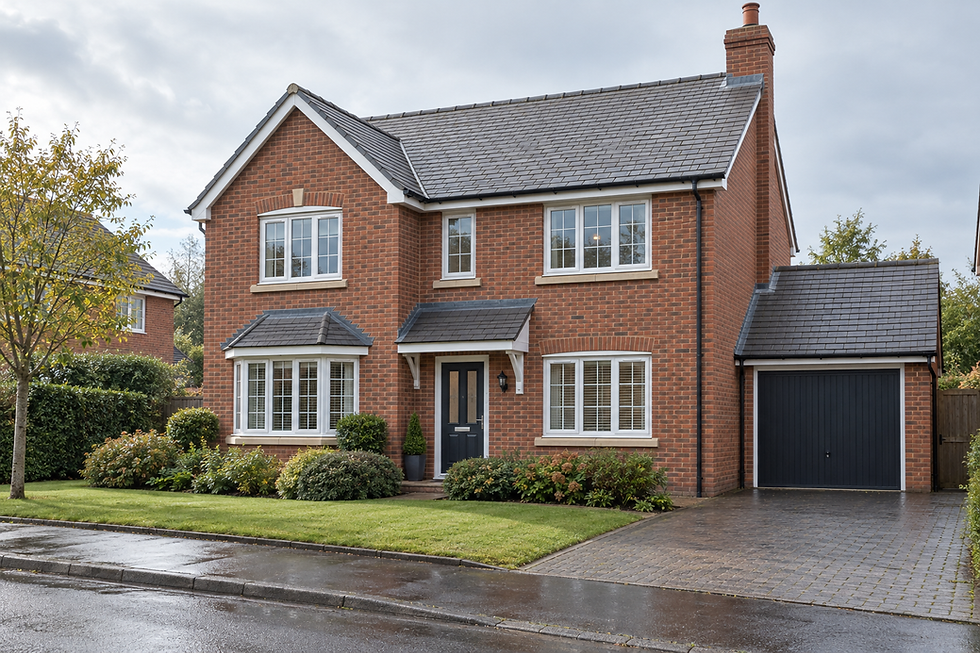
Careful checks after rough weather
Storms can lift coverings, loosen ridge or verge details and send debris into the roof. Some damage is obvious from the ground; other faults only show when rain arrives from a certain direction. We consider displaced materials, impact marks and the condition of adjoining sections before setting the scope. Replacement slates or tiles are matched as closely as practical, but their job comes first: they must sit correctly and shed water. If the affected area is broader than expected, we explain why wider work may be sensible.
Frequently asked questions
Can you replace a single slipped slate or tile?
Often, yes, provided the surrounding covering and fixings remain serviceable. We check why the unit moved and whether nearby materials have weakened. A sound local repair needs the right overlap and fixing, not merely a piece pushed back into place.
Why is the leak appearing away from the damage?
Water can run along underlay, battens, rafters or the back of a ceiling before it becomes visible. We inspect above and around the damp area, including junctions higher up the roof, to find a likely route rather than assuming the mark sits below the fault.
Should we arrange an inspection after a storm?
If you can see displaced materials, debris or new damp, an inspection can establish what moved and whether the roof remains weatherproof. Tell us which side faced the weather and send safe ground-level photographs where possible.